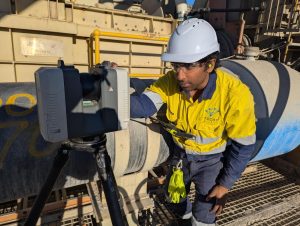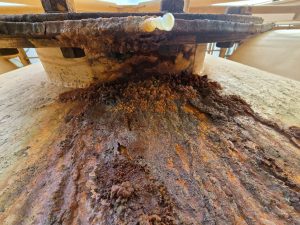


Microbiologically influenced corrosion (MIC) is a complex integrity threat that requires more than a laboratory test. Effective MIC management depends on the right combination of sampling, microbiological analysis, corrosion assessment, data interpretation and specialist advice.
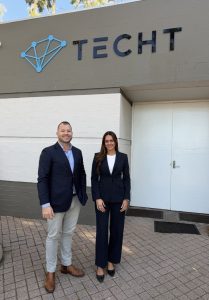
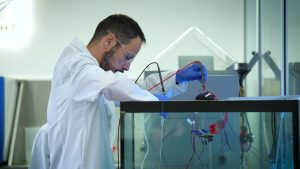
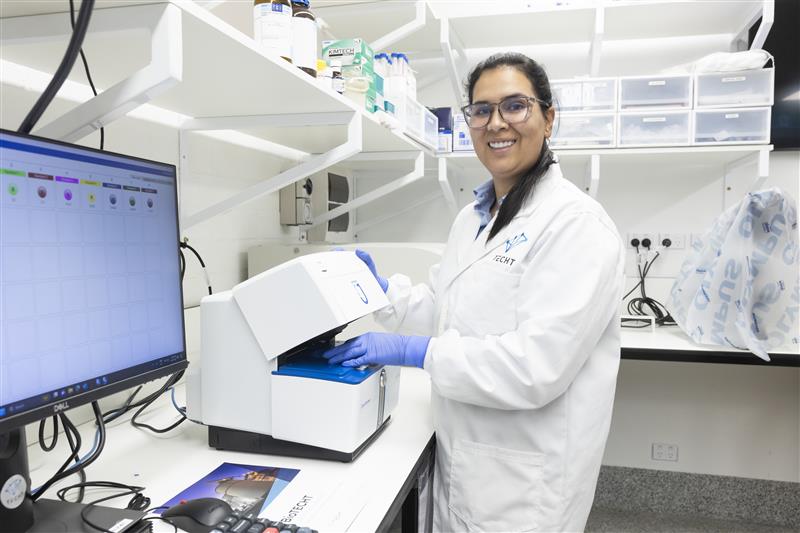
BioTECHT brings these capabilities together in one integrated service. The promotional video showcases TECHT’s Western Australian biological laboratory, advanced MIC testing, specialist consultancy and the people behind our MIC capability.
From routine monitoring and laboratory analysis through to failure investigation, treatment optimisation and MIC management strategy, BioTECHT provides clients with direct access to specialist microbiology, corrosion engineering and MIC subject matter expertise.
The objective is simple: turn MIC data into clear, defensible evidence that supports better treatment, maintenance and asset integrity decisions.
Why MIC Needs Specialist Attention
MIC is not just a microbiology issue, and it is not just a corrosion issue.
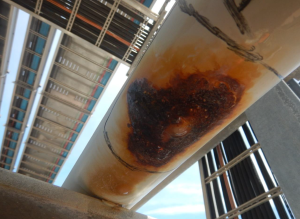
Microorganisms can attach to surfaces, form biofilms and create local chemical conditions that influence corrosion behaviour. In industrial assets, this can contribute to localised pitting, under-deposit corrosion, biofouling, coating breakdown and unexpected degradation.
That makes diagnosis challenging. A visual inspection may identify corrosion damage, but it may not explain whether microorganisms are part of the mechanism. A laboratory result may identify microbial activity, but it still needs to be interpreted against the asset, material, environment and operating history.
BioTECHT sits at that intersection between microbiology, corrosion engineering and asset integrity.
What BioTECHT Provides
BioTECHT is TECHT’s specialist division focused on microbiologically influenced corrosion, biofouling, biodegradation and biodeterioration. The video describes BioTECHT’s specialist MIC, corrosion and microbiology capability, combining advanced laboratory testing in Western Australia with technical consultancy, data interpretation and subject matter expertise to support asset integrity decisions.
Our capabilities include:
- MIC baseline assessments
- qPCR and next-generation sequencing
- Most Probable Number (MPN) testing
- ATP analysis
- Biofilm characterisation
- Failure investigations
- Biocide effectiveness testing
- Biocide residual analysis
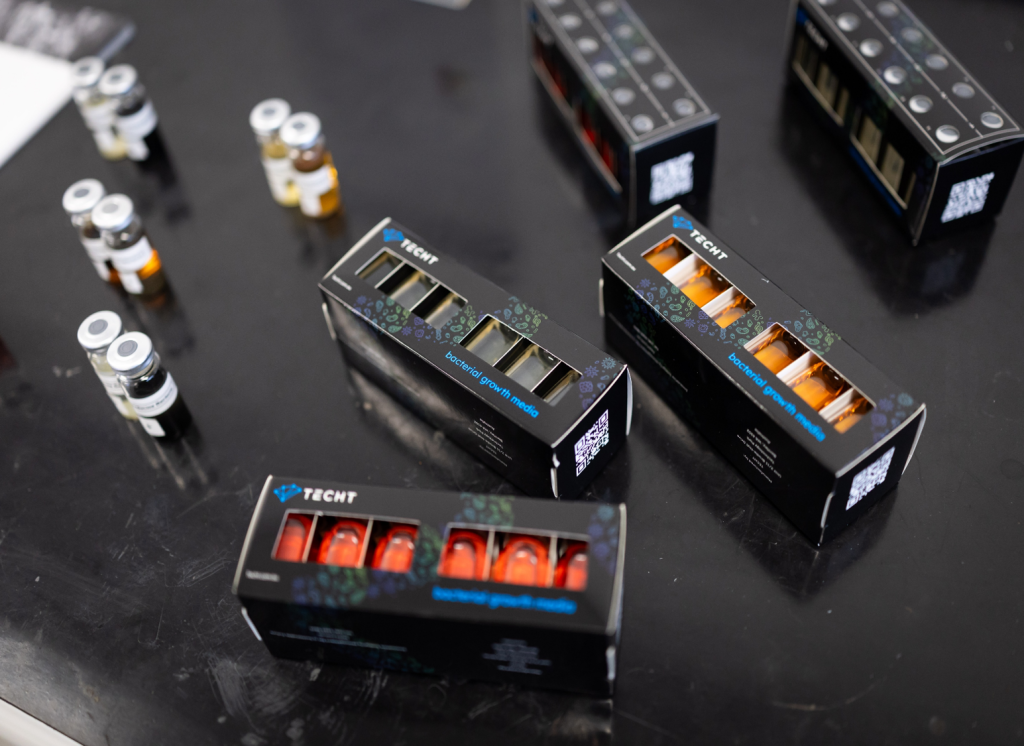
- DNA sampling kits for field collection and preservation
- Custom laboratory simulations under process-specific conditions
- MIC data management and trending through the TECHT MIC Dashboard
The objective is not to run tests for the sake of testing.
The objective is to select the right combination of evidence for the asset question and ensure that the data generated can be used consistently over time.
From Sample to Decision
There is no single analytical method that can define MIC risk on its own. qPCR, NGS, culture-based methods, ATP testing, coupon analysis and biofilm characterisation each provide a different part of the picture. Their value comes from combining those results with the asset’s chemistry, material type, operating conditions, treatment history and integrity data.
A single sample is only a snapshot. The real value comes from consistent, risk-based monitoring over time.
By defining sampling locations, monitoring frequency, preservation methods and analytical requirements, results can be compared meaningfully between campaigns. This allows integrity teams to move beyond asking “Are microorganisms present?” and instead ask:
- Are microbial populations increasing or decreasing?
- Is the biocide treatment working?
- Are higher-risk locations changing?
- Are mitigation measures effective?
- Is MIC risk improving?
This is where laboratory testing becomes an asset integrity tool.
For BioTECHT, the key question is not simply “What did the test find?” but “What does this mean for the asset?”
That requires microbiology, corrosion and materials expertise, together with an understanding of the operating environment. The value is in turning complex MIC data into clear, practical actions, whether that means continuing monitoring, optimising chemical treatment, targeting further mitigation, prioritising maintenance or reassessing risk before the issue becomes more significant.
The value is not in generating more data. It is in turning the right data into better decisions.
Why Local Capability Matters
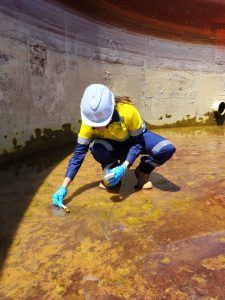
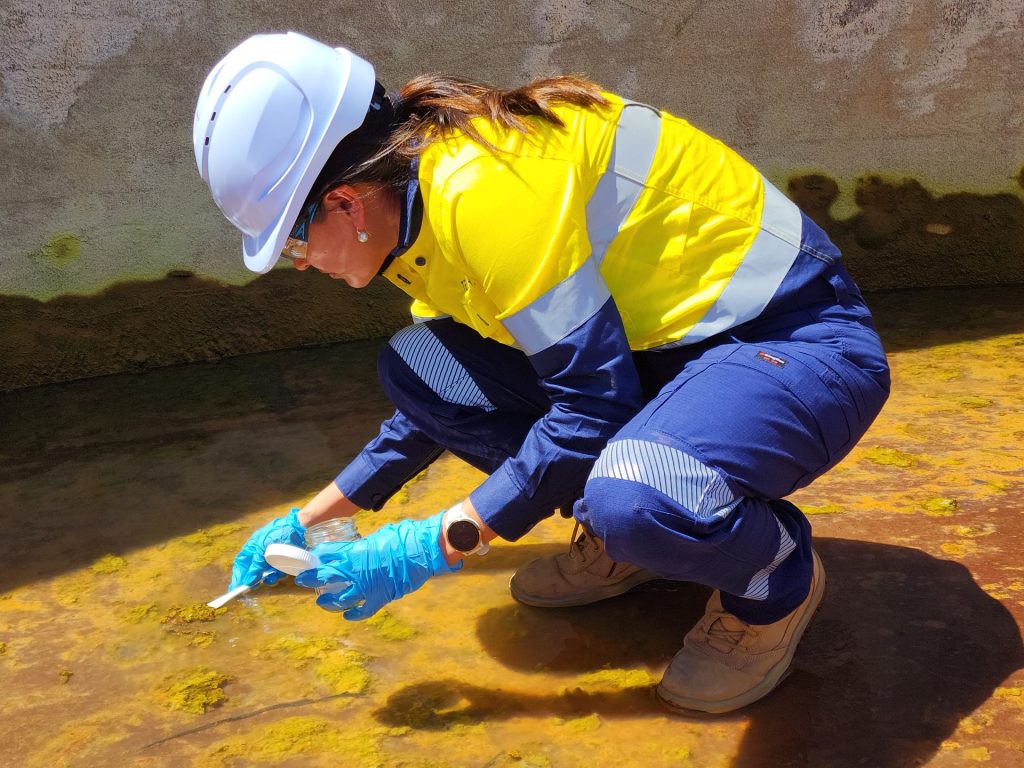
Effective MIC monitoring starts before the sample reaches the laboratory. Sampling and preservation methods need to be robust, repeatable and practical for field teams to implement consistently. This is particularly important for remote and regional operations, where specialist microbiologists may not be present during every monitoring campaign.
BioTECHT’s local Western Australian capability allows closer interaction between field personnel, laboratory specialists and corrosion engineers, while reducing some of the practical challenges associated with sending samples from remote locations.
TECHT’s DNA sampling kits also allow samples to be preserved and stabilised at the point of collection and transported at ambient temperature for up to 30 days.
For remote assets, practical sampling and preservation can be just as important as the analytical method itself.
The objective is simple: make high-quality MIC monitoring easier to perform consistently.
Turning Monitoring Data into Action
Generating high-quality laboratory data is only part of the solution. One of the challenges across the industry is that valuable MIC information can become fragmented across individual reports, spreadsheets, monitoring campaigns and different assets. Over time, organisations may accumulate large amounts of data without having a clear view of what it is actually telling them.
This is why data management is such an important part of modern MIC monitoring.
When I was interviewed last year about the future of MIC monitoring, one of the areas I highlighted was the need for improved software capable of consolidating MIC data, identifying trends, monitoring KPIs and helping stakeholders understand how MIC risk is changing.
That thinking has been an important driver behind the development of the TECHT MIC Dashboard.
The dashboard provides a centralised environment where monitoring results can be managed, visualised and trended across locations, campaigns and potentially multiple assets. Importantly, it is not simply a platform for displaying microbial numbers. Its value comes from helping turn monitoring data into decision-support information.
This matters because MIC monitoring only creates real value when it leads to action.
An asset owner may need to understand whether unexplained pitting is likely to involve microbial activity. The onsite chemist may need to know whether a chemical treatment programme is working. An operations manager may need to understand whether operating conditions or process changes are increasing MIC risk. A reliability engineer may need to identify which system should be prioritised for inspection.
BioTECHT supports these decisions by combining microbial testing with corrosion and asset integrity interpretation. Field investigation, laboratory evidence and engineering advice are considered together so that monitoring data can be translated into practical actions.
Good MIC management is not about collecting more data. It is about connecting the right data to asset risk, consequence and maintenance priorities so that better decisions can be made at the right time.
The Human Expertise Behind the Laboratory
MIC monitoring is not a black-box laboratory exercise, nor can it be reduced to an algorithm.
Digital tools and AI are valuable for organising data, identifying patterns and supporting analysis, but effective MIC management still relies on engineering judgement and practical experience.
Results must be interpreted in the context of the asset – its operating history, materials, treatment regime, sampling conditions, deposits and integrity findings. A numerical change may indicate deteriorating MIC control, or it may simply reflect a change in operating conditions, sampling or treatment. Distinguishing between the two requires asset knowledge and experience.
The same applies to deciding what action to take. There is rarely a single correct response. Treatment optimisation, cleaning, additional inspection, changes to sampling or no immediate action may all be appropriate depending on the risk and operating constraints.
This is where BioTECHT’s consultancy capability adds value. Our specialists combine the trends identified through monitoring and the MIC Dashboard with asset-specific knowledge to refine monitoring, optimise treatment and drive continuous improvement.
The value is not just in explaining the data, but in knowing what matters, what action is practical and how the MIC management strategy should evolve over time.
BioTECHT helps asset owners move beyond simply detecting microorganisms to understanding what the data means for the asset, how MIC risk is changing, and what action should follow.
By combining risk-based monitoring, advanced laboratory testing, intelligent data management and specialist MIC consultancy, we turn fragmented results into a clearer picture of asset condition and treatment performance.
The value is not in generating more data. It is in creating the confidence to intervene earlier, optimise treatment, focus inspection and maintenance where they matter most, and continuously improve MIC management over the life of the asset.
For industries operating in water-exposed, process-exposed or biologically active environments, this means moving from reactive investigation to proactive MIC management.
From sample to strategy, BioTECHT turns microbial data into better asset integrity decisions.
If your organisation is managing unexplained corrosion, biofouling, microbial contamination or MIC risk, BioTECHT can help you move from isolated testing to a more consistent, risk-based and actionable MIC management approach.
Speak with TECHT about how our laboratory testing, MIC monitoring, dashboard capability and specialist consultancy can support better treatment decisions, stronger risk management and improved asset integrity outcomes.